

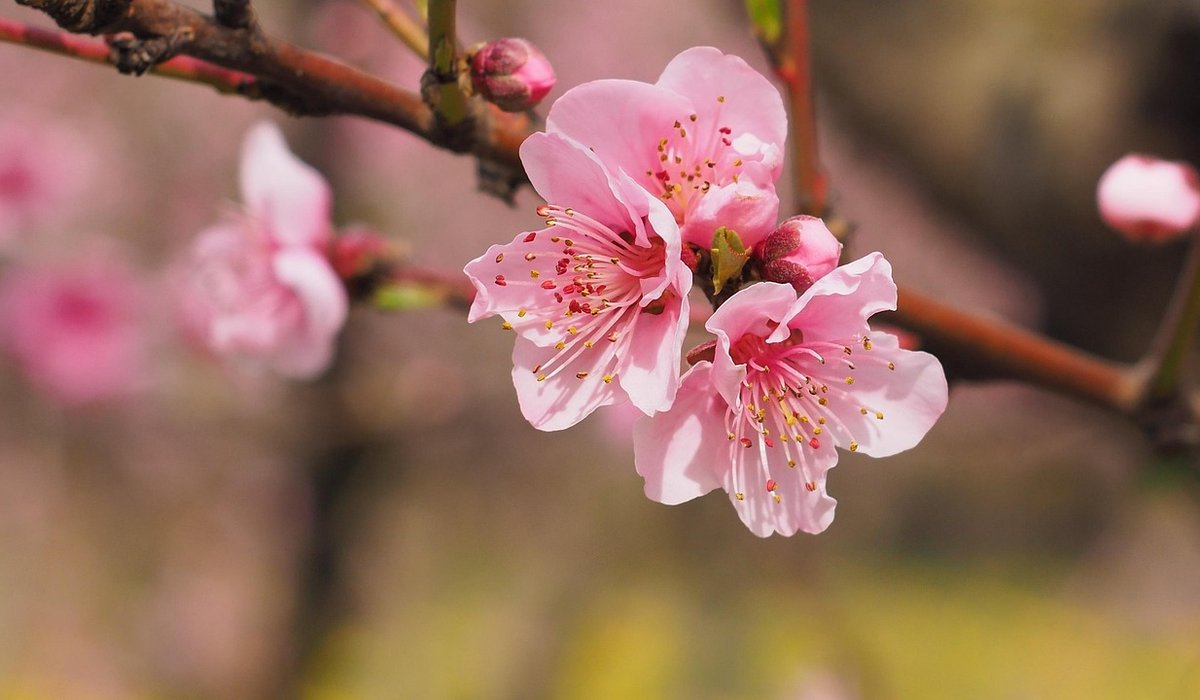
Even the smallest balcony can become a vital refuelling stop for bees, butterflies and hoverflies. You do not need a garden, a lawn or a lot of money — just a few containers, the right flowers and a shallow dish of water. A tiny balcony flower patch is one of the most generous things you can do for wildlife in a city or town, and it brings a quiet, daily dose of mindfulness to your own doorstep.
Why small spaces punch above their weight
Pollinators travel between patches of food, using them like stepping stones across the landscape. A window box or a couple of pots on a fifth-floor balcony might seem insignificant, but it can bridge a gap between parks, verges and other gardens. In built-up areas, these little islands of nectar are often the only reliable food source for miles.
Balconies also have their own microclimate. Sheltered walls hold warmth, which can extend the flowering season by weeks and offer a cosy spot for insects to bask on cool mornings. The key is to choose plants that produce plenty of nectar and pollen, and to keep them blooming for as long as possible.
Pick plants that earn their place
Not all flowers are equal when it comes to feeding insects. Double or highly bred blooms often have little or no nectar, because their petals have replaced the parts that make food. Go for single, open flowers and herbs that you can also harvest for the kitchen. Aim for a succession of blooms from early spring to late autumn.
- Spring starters: crocus, grape hyacinth and wallflowers in pots will feed early bees just out of hibernation.
- Summer workhorses: lavender, catmint (nepeta), salvia, oregano, thyme, borage, calendula and cosmos. These are tough, generous with nectar and happy in containers.
- Late-season lifelines: asters, sedum, helenium and single-flowered dahlias. They keep butterflies and late bumblebees going into October.
- Butterfly favourites: verbena, heliotrope, echinacea and rudbeckia. Position them in the sunniest, most sheltered spot you have.
Group plants together rather than scattering them singly. A block of one species is easier for insects to spot and makes a stronger visual statement on a small balcony. If space is tight, choose three or four reliable stars and repeat them in different pots.
Planting up a container that thrives
Use peat-free compost and make sure every pot has drainage holes. A layer of broken crocks or small stones at the bottom helps, but do not use gravel as a substitute for good compost. For most of the plants above, a container of at least 30 centimetres across and 30 centimetres deep will give roots room to spread. Larger pots hold moisture better and need less watering.
When planting, set trailing plants like trailing verbena or calibrachoa near the edge, and upright plants like salvia or cosmos in the middle. Leave a few centimetres between the soil surface and the rim so you can water without spilling. Water thoroughly after planting and keep the compost consistently moist, not soggy. A mulch of compost or bark chips on top will slow evaporation on hot days.
If you want to extend the season, layer spring bulbs in the same pot as summer perennials. The bulbs will flower first, then their leaves will die back as the summer plants take over. Do not cut the bulb foliage until it has yellowed completely, as it feeds next year's flowers.
Shallow water stations and simple shelter
Pollinators need water just as much as nectar, especially in hot weather. A shallow dish, saucer or plant tray filled with pebbles and topped up with fresh water is perfect. The pebbles give insects somewhere to land without drowning. Place it in the shade and refresh it every day or two — stagnant water breeds mosquitoes and can harm bees.
Never add sugar, honey or syrup to the water. Honey can carry diseases that affect bees, and sugar water is not a substitute for nectar. If you want to help butterflies, leave a small patch of damp soil or a shallow tray of wet sand in a sunny spot; males often gather there to extract minerals.
For shelter, you do not need a fancy bee hotel. A few hollow plant stems tied in a bundle, or a small log with holes drilled into it, will give solitary bees a place to rest. Leave a corner of your balcony slightly untidy — a few dead stems and seed heads provide overwintering spots for insects and birds.
Mindful care through the seasons
Caring for a balcony flower patch is a gentle ritual. In spring, water in the morning and watch for the first bees. In summer, deadhead faded blooms every few days to keep the flowers coming. This simple act of pinching off spent heads is deeply calming and takes only a few minutes.
Avoid all pesticides, even those labelled as natural or organic. They can harm pollinators, and there are plenty of alternatives: a strong jet of water for aphids, hand-picking for caterpillars, and encouraging ladybirds and hoverflies by planting dill, fennel and yarrow. In autumn, leave seed heads standing as long as you can. They feed birds and provide winter homes for insects.
As the season slows, take a moment to sit with your patch. Notice which flowers the bees visit most, which colours draw the butterflies, and how the light moves across your balcony. A tiny flower patch is not just a garden — it is a living map of your local wildlife, and a daily invitation to pause.


John Doe
14 January, 2022Having no content in post should have adverse..
Chauffina Carr
10 April, 2022We use these tests all time! Killer stuff!
Jim Séchen
16 July, 2022Thanks for all the comments, everyone!